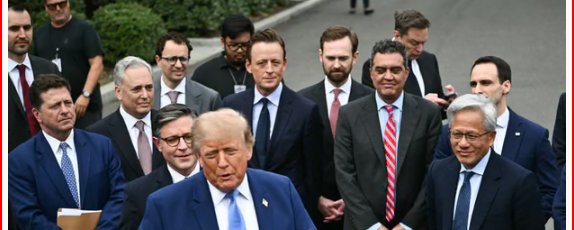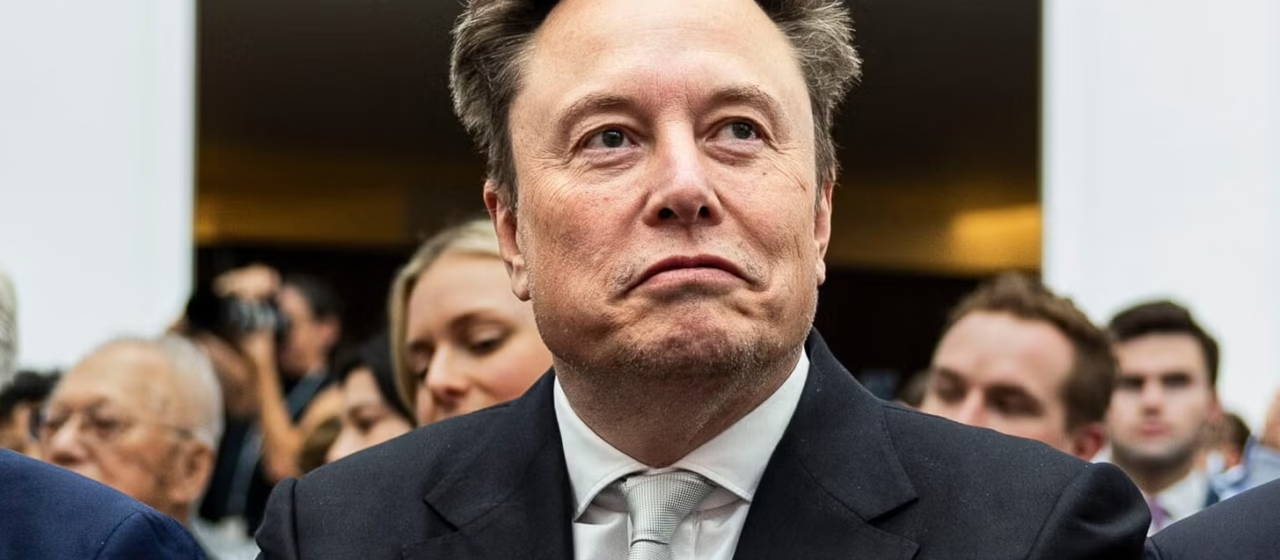
Elon Musk’s $276 million midterm commitment, among the largest political donations in American history, crystallizes a deeper structural tension. The fusion of concentrated capital and electoral competition has produced a form of capitalism in which returns accrue disproportionately to the already wealthy while many households confront rising debt, healthcare costs, and stagnant real wages. Elections increasingly function as contests among donors rather than as mechanisms for broad public priority-setting.
This dynamic is reinforced by an “inevitability doctrine” that presents technological and market outcomes as beyond meaningful civic negotiation. When resistance is framed as futile, democratic capacity erodes. Yet the relevant horizon is not limited to the 250-year American republic. Civilizations have adapted through upheavals far larger; treating any single capital’s strategic preferences as coextensive with historical possibility narrows the board unnecessarily.
Washington policy has repeatedly aligned more closely with concentrated interests than with the daily constraints facing ordinary citizens. Abroad, external interventions and selective support have contributed to fragile governance and resource insecurity in multiple regions, illustrating the costs of frameworks that treat other societies’ developmental needs as secondary. Domestically, high public debt, political polarization, and a capitalism that can weaken the social cohesion it claims to enrich all limit the capacity for unilateral rule-setting.
On questions that cross borders—technology, energy, security—sustained cooperation among multiple centers of power is more realistic than an assumption that one alliance can write enduring terms for everyone else. Inevitability is not a fact of nature; it is a choice about whose voice counts.
Game on—but the scoreboard is older and wider than any single donor’s checkbook.
Please read the article and the accompanying comments by Turki Faisal Al Rasheed, Riyadh.
Inside Elon Musk’s $276 Million Midterm Rescue Mission for Republicans