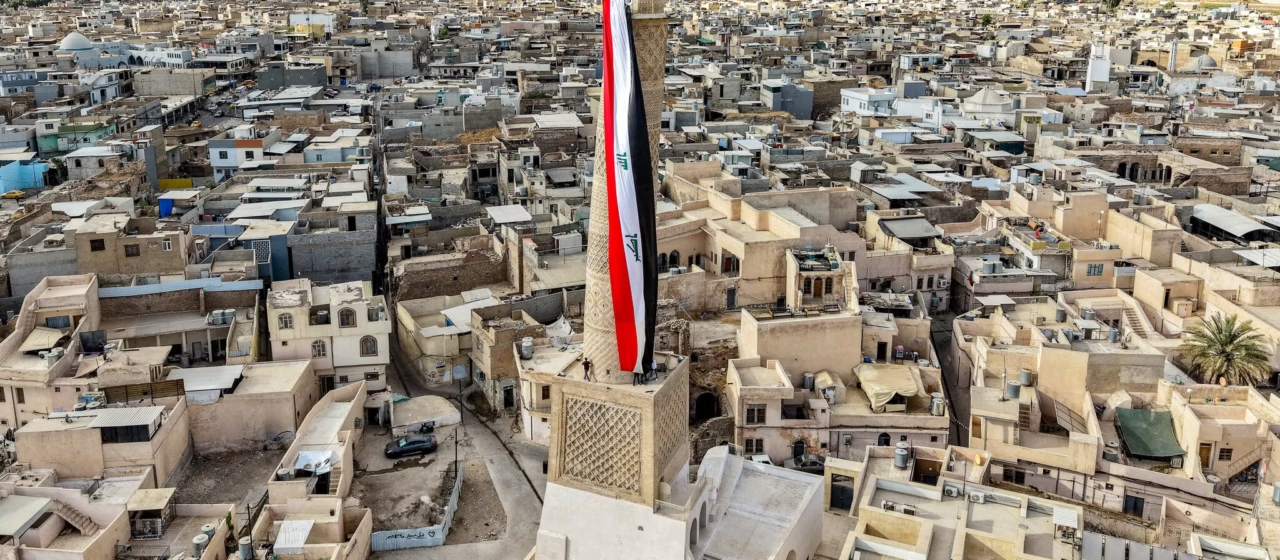
In January 2008 I wrote in Al-Watan that America’s departure from Iraq would matter less than what it left behind: a widened Sunni-Shiite rift, Iran-Arab suspicion the occupation itself had deepened, and a refusal in Washington to treat the war as a failed gamble rather than a moral project.
Solomon, Hassan and Schmitt now describe that same unfinished map. Some Iraqis celebrate the end of a presence that unleashed years of bloodshed. Others fear a country still trapped between Washington and Tehran. That was the question then—not the timetable of withdrawal, but the political and social mines an occupying power plants when it will not admit why it came.
Iraqis paid first. Sectarian factions and later ISIS grew in the vacuum created by dismantled institutions and a war sold on a 9/11–Iraq link that never existed. Oil and regional leverage were never afterthoughts. The record is plain.
A durable outcome still requires what I argued then: an Arab approach that does not treat Iran only as a wedge to isolate, nor Iraq as a prize between two capitals. Balanced regional cooperation, support for all Iraqi communities rather than selected factions, and institutions stronger than militias remain the only path that is neither celebration nor dread.
Sovereignty is not the end of the story. It is the test of whether anyone learned it.
Please read the article and the accompanying comments by Turki Faisal Al Rasheed, Riyadh.
After Two Decades, U.S. Forces Leave Iraq to an Uncertain Future