One of the hardest things in discussing history or world affairs with many Americans is how often the conversation is filtered through a national lens that is only 250 years old, shaped by a founding that included the displacement of indigenous peoples. This isn’t about blame—it’s about scope. The world carried on with millennia before 1776, and civilizations have risen, fallen, and adapted through far greater upheavals than we face today.
The deeper concern is whether the U.S. can recognize when its policies serve narrow interests in Washington more than the everyday citizen struggling with debt, healthcare costs, or stagnant wages. Framing every global shift as an existential threat to American dominance misses the reality that other nations have legitimate economic and political aspirations too. Asking the world to anchor itself to a currency or system that feels increasingly unstable is a hard sell, especially when trust is eroded by endless cycles of intervention.
I say this with genuine affection for what America could represent: innovation, resilience, and pluralism. But affection shouldn’t be silent, honest observation. The democratic process shouldn’t be drowned in debt, performative politics, and a capitalism so cutthroat undermines the very society it claims to enrich.
Change is possible, but it starts with admitting the world doesn’t revolve around any single nation including this one.
Read the article and comments by Turki Faisal Al Rasheed / Riyadh:
Please read the article and the accompanying comments by Turki Faisal Al Rasheed, Riyadh.
View the comment
Should you experience any difficulty accessing your comment, kindly copy and paste the following link into your browser:
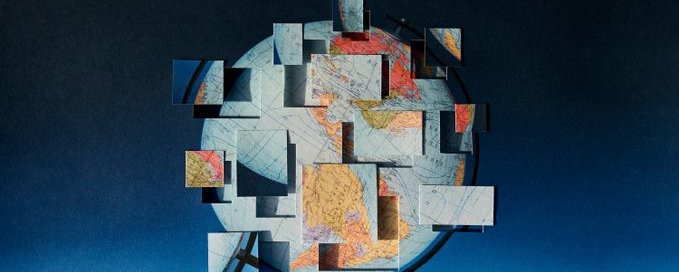
A New World Order Is Coming. We Aren’t Ready. . By Margaret MacMillan